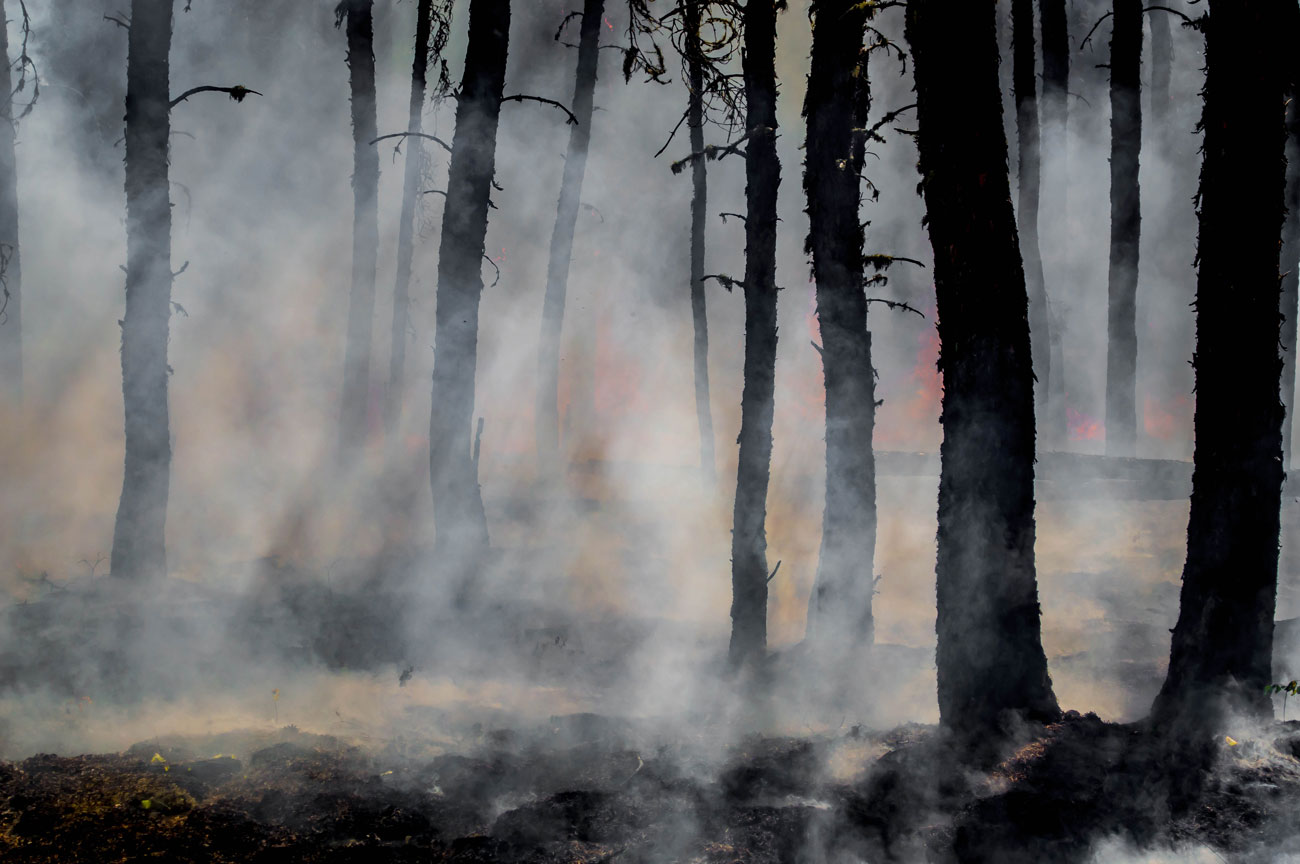
In August 2023, one of the deadliest wildfires on record swept through the Hawaiian island of Maui, reducing towns and structures to ashes and sadly resulting in many casualties. In a time of need, civilians and emergency services were deprived of critical communications as the island’s network infrastructure was damaged.
Wind gusts of over 60mph proliferated the speed the fires spread, and with it, utilities including LTE service went off-line. According to the Federal Communications Commission (FCC), 19 of the 21 wireless cell sites serving Kapalua, Napili-Honokowai, Kaanapali, Lahaina, Launiupoko and Olowalu were out of service. A robust network that could be deployed promptly was critical in bringing connectivity back to life for the region’s residents and businesses still reeling from the wildfire.
Crucial comms to extinguish the flames
In times of crisis, it is important for citizens to feel informed and prepared. During the Maui fires, the county did not activate its audible warning sirens, fearing that people would think a tsunami was coming, since these alarms had only ever been used to warn of tsunamis. This disaster could have been even more deadly because the fires started on high ground and travelled toward the beach. Had residents taken the usual precautions for tsunamis, they may have travelled into even more danger. Normally, people would turn to the internet and social media for updates during a crisis. With no power, no water, no phone and no internet, a disaster quickly turned into catastrophe.
For front-line emergency crews, high-tech solutions are changing how wildfires are battled, making fully mobile coverage a necessity. The likes of mobile robotic systems, surveillance drones, robust sensors and cameras are all being used to detect, impede and understand the blazing situation. These technological innovations have provided first responders with the access to real-time data that delivers greater and clearer insights into the unfolding situation. Receiving the latest information and having access to real-time situational awareness means that resources can be allocated accordingly in coordination with changing conditions. However, to support the full offerings and capabilities of these technologies, a high-capacity, high-bandwidth and unfailing network is required.
Without a live and reliable communications network in place, residents were cut off from the world and those tasked with extinguishing the fires were left without the necessary visibility or use of their invaluable technology, or even their tried-and-true voice communications.
A communications crisis
When wildfires are raging, cellular services supplying the communications for the fire-affected area can be damaged and vital equipment destroyed. In some cases, cell towers succumb to the heat and collapse. LTE networks are dependent on high-capacity data circuits between cell sites and a regional switch. Because of this, cellular networks have many single points of failure. If its connection is interrupted, the entire cell site goes offline. It can be days or even weeks before the network is operational again. This is how the Lahaina fire interrupted cell service for all of West Maui. Much of Maui was cut off from the rest of the world, with concerned family and friends unable to connect with loved ones in the fire-ravaged region.
A private company based in Maui took it upon itself to set up a community Wi-Fi project. The team deployed trucks and vans as mobile charging stations, along with satellite terminals, but this could only provide limited Wi-Fi. The cellular carriers did deploy ‘Cells on Wheels’ (COW) mobile cell towers to provide temporary enhanced cellular coverage, after several days. This is a common approach to delivering emergency communications quickly during natural disasters. The COWs, however, ran off satellite connections, which had limited bandwidth, as compared to the fibre connections, which had been destroyed by the fire. Another hinderance that these technologies faced was the COWs were less than half the size of the damaged cell towers, and there were not nearly enough to replace the damaged towers.
Disrupted and sporadic connectivity can prevent access to vital information, applications and real-time data. This in conjunction with limited bandwidth can threaten the effectiveness of crucial tasks.
Supporting front-line crews with wireless mesh
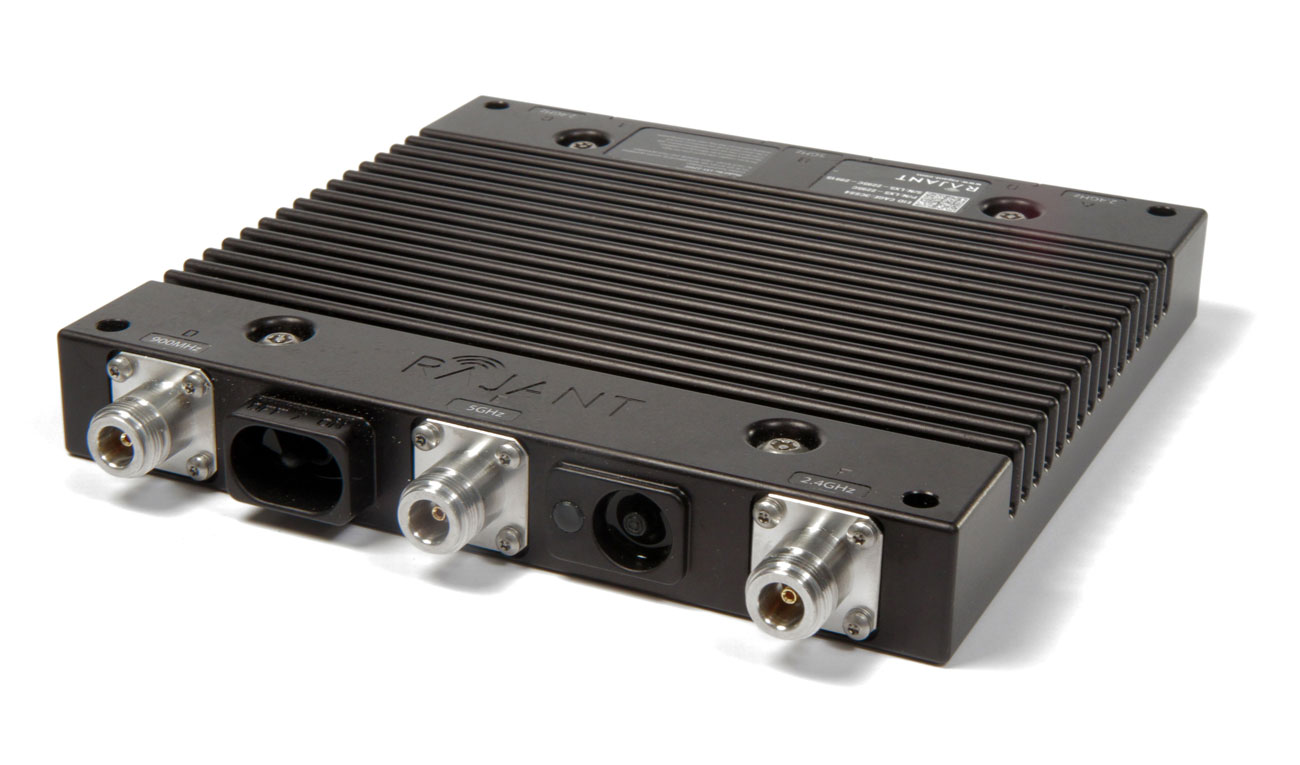
To aid the local company that set up the Wi-Fi community project, Rajant Corporation teamed up with Hawaiian technology solution provider SITECH Solutions to implement a network to cool the burn. SITECH engineers deployed Rajant’s Kinetic Mesh® network and integrated it with the distributed satellite data terminals that were previously deployed. This expanded the range of Wi-Fi coverage dramatically. This expanded Wi-Fi was available to front-line crews, the displaced residents and the businesses that were trying to support the residents of West Maui. When a community is put under tremendous stress from a natural disaster, even the businesses not directly affected are crippled by an inability to process electronic payments. And simple conveniences like ATMs are unavailable because they too require network connections to process transactions.
The enhanced coverage and high bandwidth created by wireless mesh supports the delivery of voice, video and data, as well as communications between robots, drones and other autonomous systems. Maui Fire expressed frustration over challenges with even basic voice communications. This is vital for crews to provide a timely and effective response in a disaster situation and share critical information in real time. Firefighters and front-line crews are often tasked with supporting and creating containment lines to prevent the fires from spreading, while their counterparts in the police department are working to evacuate affected areas. In a mesh network, Rajant’s wireless BreadCrumb® nodes can be rapidly deployed on any asset, or fixed structure, to extend or improve operational coverage. This means that they can be attached onto machinery such as bulldozers and equipment like ladder trucks, tankers and even command vehicles. If you have a command vehicle with satellite connectivity or functioning LTE data connection, the mesh network can distribute internet access to all first responders dealing with a disaster. Data, live video and even voice can be transmitted directly from the edge of an affected location to a central control centre.
The BreadCrumb nodes create a distributed self-healing network, without the requirement for a master controller. The network’s multiple redundant connections can relay information and data, so information keeps flowing, even if a single node is damaged or lost. This 24/7/365 anywhere connectivity provides more comprehensive situational awareness and allows emergency services teams to allocate resources effectively. Another often overlooked benefit is a mesh network’s ability to provide voice interoperability between other agencies using incompatible two-way radios. This is done by having the mesh act as the backhaul, and equipping vehicles with both a BreadCrumb and a LMR router.
Maintaining coverage while technical issues affect parts of the network is critical for large ground operations. Redundant network infrastructure, backup power systems and intelligent routing algorithms ensure that communications remain functional regardless of infrastructure damage or power outages.
Taking immediate action
Hawaii is not renowned for wildfires, but like many other parts of the world, the region has experienced more intense fires of late. Destruction by wildfires in the United States has significantly increased in recent years. Since 2000, an annual average of 70,025 wildfires have burned 7 million acres. The acreage figure is more than double the average annual acreage burned in the 1990s. Many experts have pinned the blame on the increasing spread of non-native vegetation and hotter, drier weather due to climate change.
With the increasing probability of these blazes, those tasked with protecting the public must adopt predictive and preventative measures to counter the constantly evolving safety conditions. Working with an experienced partner and deploying the most suitable wireless connectivity is paramount. A mesh network that can be deployed swiftly, is self-healing and resilient is paramount in keeping emergency services personnel, residents and businesses connected when disaster strikes.
About the Author

Todd Rigby
Todd Rigby is Director of Sales at Rajant Corporation.