
The toxic legacy of AFFF
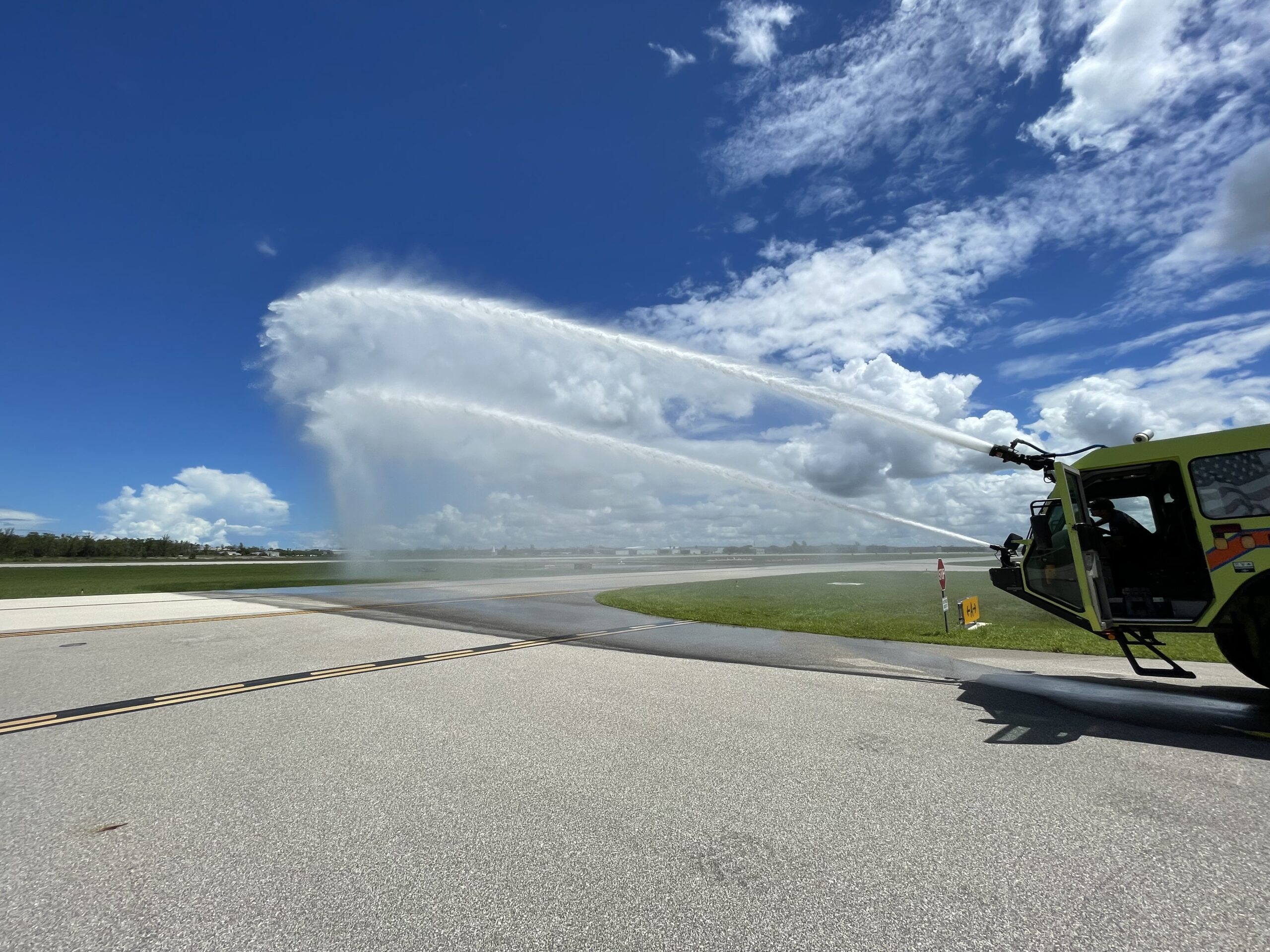
Aqueous Film Forming Foam (AFFF) has been a vital tool for international fire services, particularly in combating fuel and oil fires. It is used as a powerful fire suppressant specifically designed to tackle flammable liquid fires, such as those involving fuel.
Commonly used in fire suppression systems on ships, at shore facilities, in firefighting vehicles and during fire training exercises, AFFF is a trusted tool for firefighters for quickly controlling dangerous blazes. It’s sold as a concentrated solution, typically labelled as ‘3%’ or ‘6%’ (Type 3 or Type 6), which refers to the required mixture ratio with water for effective use.
The discovery that AFFF contains perfluorooctyl sulfonate (PFOS), a toxic PFAS chemical, gained attention in the late 1990s and early 2000s. Studies showed PFOS was persistent in the environment, accumulating in human and animal tissues. In 2000, a major AFFF manufacturer, phased out PFOS-based products due to health risks and pressure from regulatory agencies like the US Environmental Protection Agency (EPA). Since then, research has confirmed the dangers of PFOS, leading to increased regulatory action and efforts to replace PFAS-laden foams with safer, fluorine-fe alternatives.
These widely used compounds do not break down in natural environments. Along with growing public concern about PFAS pollution, there is increasing alarm over their connection to serious health risks, including cancer, liver damage, infertility, immune system dysfunction, and thyroid disease. Additionally, PFAS are believed to impose a significant financial burden on the US health system.
Despite the halt in PFOS production in the early 2000s, AFFF remained in use until effective and safer alternatives could be developed. Recognising the dangers posed by PFAS, regulatory agencies, including the Federal Aviation Administration (FAA) and the Department of Defense (DoD), have pushed for a transition away from PFAS-laden foams to environmentally friendly, fluorine-free alternatives. In 2023 and 2024, the FAA issued guidance to help airports transition to these new foams, ensuring a safer future for firefighting operations.
The transition to PFAS-free foam
ECT2 has emerged as a key player in helping organisations transition away from PFAS-laden foams by providing specialised solutions for cleaning out PFAS contamination from firefighting equipment. With over nine billion gallons of PFAS-impacted water treated to date, ECT2 has a demonstrated track record of deploying successful PFAS removal technology. In response to the AFFF transition need, ECT2 developed a unique and efficient methodology that is setting new standards in PFAS mitigation.
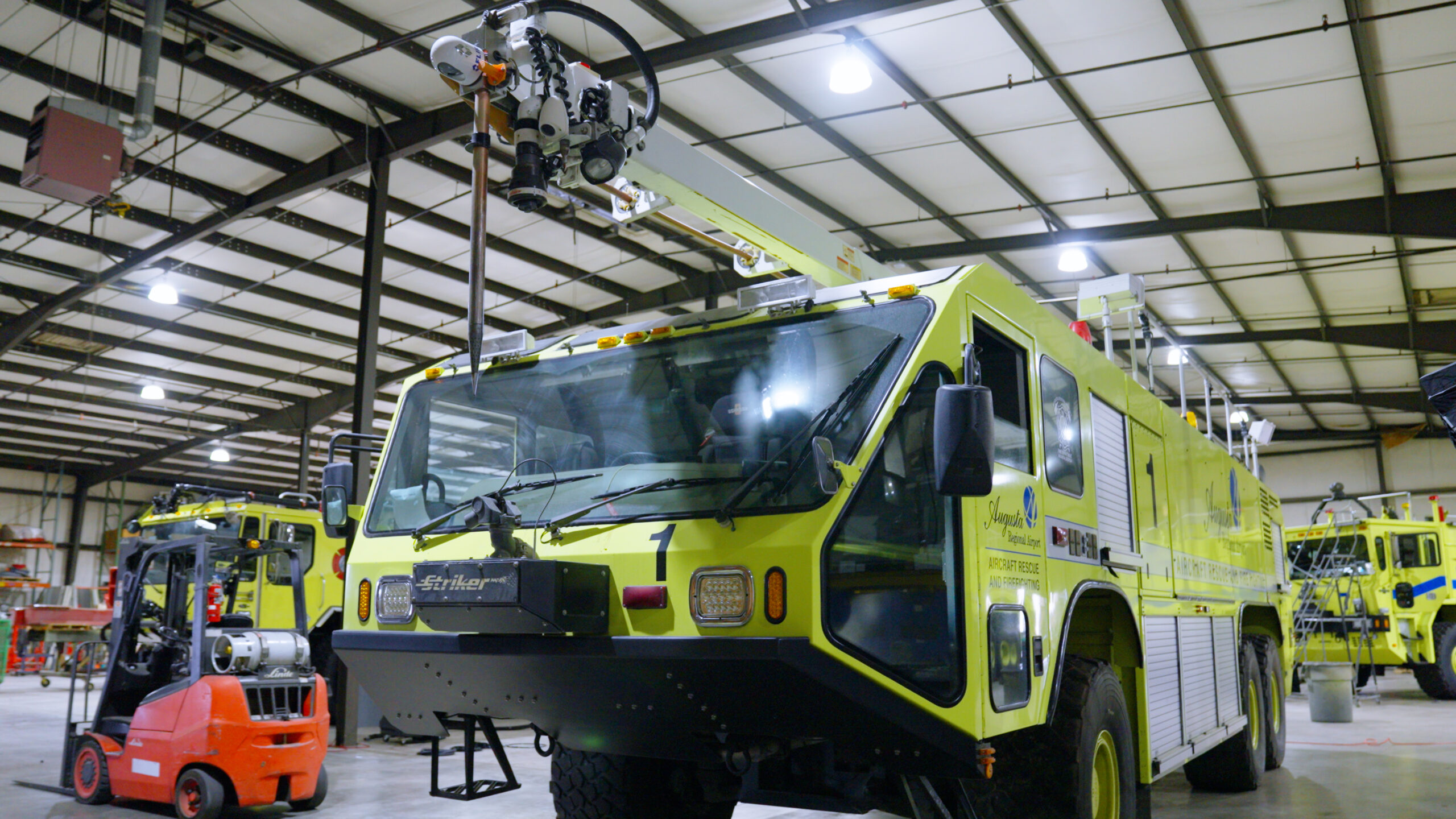
In June 2024, ECT2 partnered with the Naples Airport Authority (NAA) to complete the first transition of Aircraft Rescue and Fire Fighting (ARFF) vehicles from PFAS-laden foam to fluorine-free foam in the state of Florida. This involved a comprehensive cleanout of two ARFF vehicles, using a proprietary process that removed PFAS-laden foam residue from the vehicles and concentrated it for safe offsite disposal.
Addressing ‘rebound’ with advances in PFAS cleaning
Tackling PFAS contamination in firefighting foams requires advanced cleaning processes, as conventional methods like triple rinsing with water often fall short. Research has shown that PFAS chemicals, which are highly resistant to degradation, tend to ‘rebound’ by leaching back into treated liquids from surfaces. This makes effective removal challenging.
Recent developments in cleaning technologies have focused on creating more efficient methods to tackle these persistent chemicals. By testing multiple chemical blends, ECT2 has found more effective formulas that better remove PFAS and minimize rebound. Additionally, these advanced processes generate significantly less wastewater compared to traditional methods, addressing both environmental and operational concerns. As regulatory pressures grow to mitigate PFAS contamination, it is crucial to adopt methods that ensure safe disposal and limit environmental impact.
The case of Naples highlights how proper cleaning procedures can successfully prevent further PFAS contamination, a growing issue for fire departments and environmental agencies worldwide.

Setting new standards for firefighting authorities worldwide
ECT2’s testing shows that the proprietary cleaning solution delivers industry-leading results, effectively removing PFAS residues and producing reduced levels of rebound, where chemicals re-leach from treated surfaces. This approach significantly cuts down on waste per vehicle, reducing disposal costs and the environmental impact of each cleanout.
The successful project at Naples Airport has set a new standard for airports and firefighting authorities worldwide. As awareness of the health and environmental risks of PFAS grows and regulatory demands increase, adopting effective solutions will be critical for maintaining safe and sustainable firefighting operations.
Naples Airport’s recent cleanout project demonstrates how the right technology can ensure safer firefighting operations moving forward while also safeguarding the communities they serve.
The future of firefighting foam is fluorine-free and environmentally safe, but it will require innovative solutions and a concerted effort to make this transition effective.
About the Author

David Kempisty
David Kempisty, PhD, PE is a licensed engineer with over 20 years of experience in the water treatment and environmental remediation space. His current role at ECT2 focuses on the use of novel technologies for the removal of emerging contaminants such as PFAS, 1,4-Dioxane, and carcinogenic volatile organics from the environment.
